Boundaries > Discipline
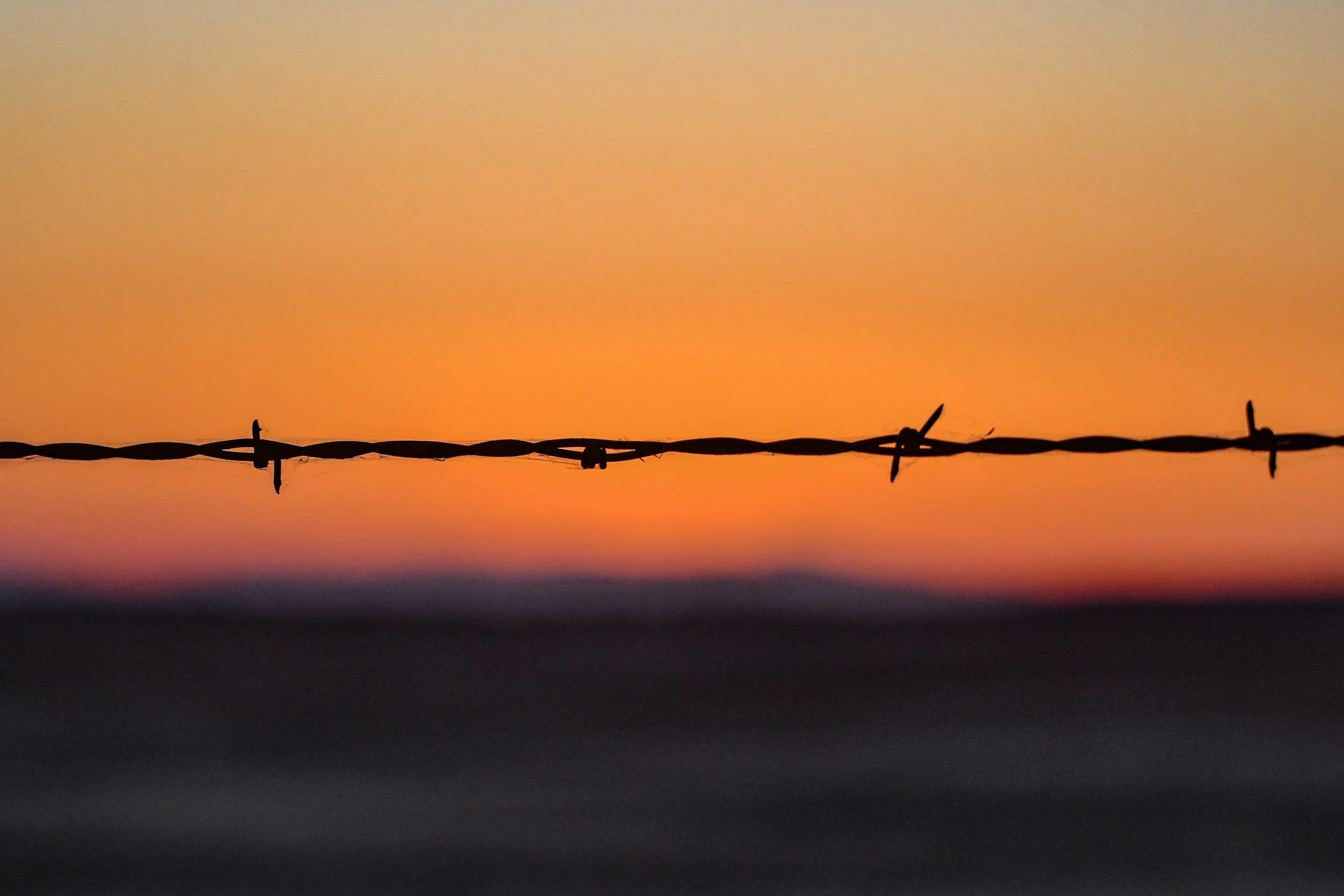
Better to Have a Wild Life You Have to Tame
Than a Tame Life You Have to Make Wild
There’s a difference between structure…
and control.
Most of us confuse the two.
We’re taught that success comes from:
strict schedules
rigid routines
perfect consistency
Wake up at 5:30.
Post 3 times a day.
Workout every single day.
And for some people…
that works.
But for a lot of us…
it doesn’t.
Because forced discipline can create a tame life.
Predictable.
Controlled.
Contained.
And eventually…
something in us pushes back.
The snap
We’ve all seen it.
The entrepreneur who burns out and disappears into chaos.
The athlete who overtrains, then quits completely.
The guy who’s been “locked in” for months…
suddenly out every night,
drinking too much,
chasing everything.
A tame life…
eventually tries to become wild.
And when it does,
it usually overcorrects.
There’s another way to operate
Not tighter.
Smarter.
Boundaries over rules.
Instead of:
“I have to post 3 times a day”
It becomes:
“I don’t go a day without creating something.”
Instead of:
“I wake up at 5:30 no matter what”
It becomes:
“I don’t start my day reactive.”
Instead of:
“I work all day”
It becomes:
“I don’t let work bleed into everything.”
The difference is subtle, but powerful
Rules try to control behavior.
Boundaries protect energy.
Rules say:
“Do this.”
Boundaries say:
“This is where I stop.”
And for some of us…
that changes everything.
What I’ve noticed
The people who sustain success long-term…
don’t always have the strictest routines.
They have the clearest lines.
“I don’t text after 7:30.”
“I don’t skip my workout before work.”
“If my partner can’t come, I’m not going.”
Simple.
Non-negotiable.
Those lines create structure…
without suffocation.
Why this works (real, simple psychology)
Our brain resists restriction.
But it respects identity.
When we set a boundary,
we’re not forcing action.
We’re defining who we are.
“I’m someone who doesn’t do this.”
That’s easier to maintain than:
“I need to keep doing this perfectly.”
Boundaries reduce decision fatigue.
Less thinking.
Less negotiating.
Less back-and-forth in our head.
And that energy gets redirected into action.
The real danger
A tame life looks safe.
But it often builds pressure.
Unexpressed energy.
Suppressed desire.
Constant control.
So eventually…
we look for release.
Through:
overworking
overdrinking
overchasing
overcompensating
Not because we lack discipline.
Because we’ve been too controlled for too long.
A wild life, properly directed
A wild life isn’t chaos.
It’s energy.
Drive.
Curiosity.
Intensity.
When that energy is guided by boundaries…
It becomes productive.
Creative.
Focused.
Alive.
You don’t need to make your life exciting.
It already is.
You just need to direct it.
Final thought
Better to have a wild life you have to tame…
than a tame life you have to make wild.
Because one requires direction.
The other requires escape.